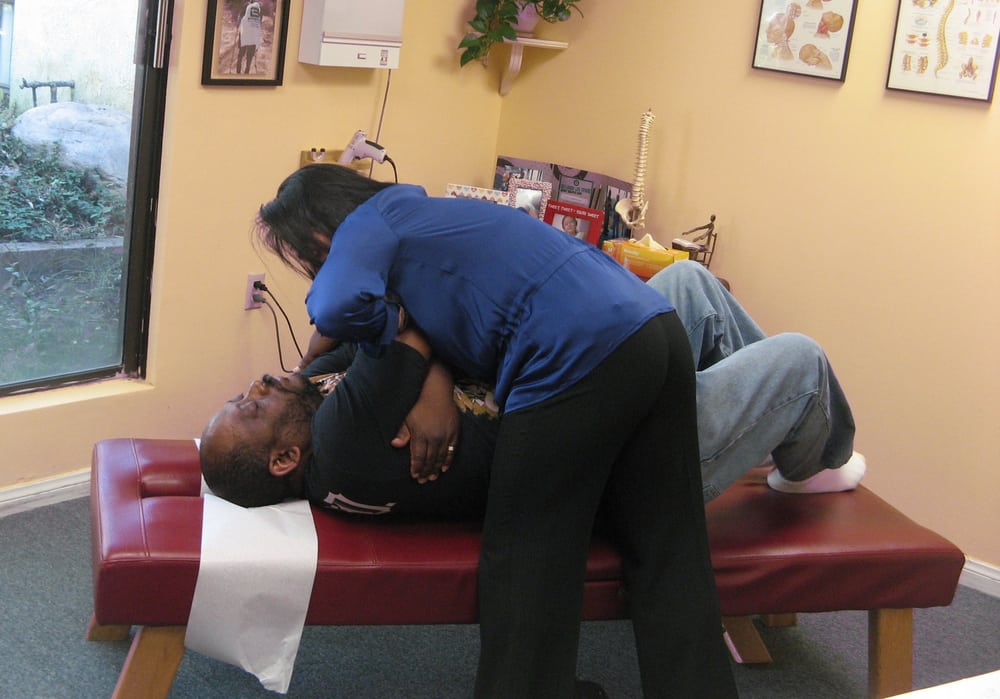
Manual traction is a hands-on technique in which a clinician applies controlled, gentle distraction to selected areas of the spine. At Chiropractic Neurology Center, it may be considered as part of an individualized plan after the doctor reviews your history and examination findings.
Decorative image representing manual traction.
What is manual traction?
Manual traction uses the clinician's hands and positioning to apply a measured pulling or distraction force to a spinal region. It differs from treatment delivered by a dedicated spinal-decompression table.
The technique may be used selectively within broader conservative care when it is clinically appropriate and well tolerated.
Depending on the individual examination, manual traction may be discussed for selected mechanical neck or back complaints, stiffness, reduced movement tolerance, or certain radiating symptom patterns. These symptoms can have many causes, so the diagnosis and overall clinical picture matter.
How CNC approaches manual traction
The doctor reviews your history, examination findings, neurologic status, and available imaging or records before deciding whether traction is appropriate. Force, position, duration, and the body region treated are individualized.
What to expect
Clinical review
Your symptoms, history, examination, and relevant records are reviewed.
Positioning
You are positioned so the clinician can comfortably support and control the treatment area.
Manual traction
A controlled distraction force is applied by hand and adjusted according to comfort and response.
Reassessment
Your response helps determine whether traction should be continued, modified, or replaced with another approach.
Massage and soft-tissue care
Massage or other soft-tissue care may also be used as a supportive service when appropriate for the patient's findings, comfort, and goals. Massage is distinct from manual traction and may be combined with other elements of care when clinically appropriate.
Who may need a different approach?
Manual traction may be inappropriate or require additional medical review when there is concern for fracture, severe osteoporosis, spinal instability, certain tumors or infections, progressive neurologic deficits, recent significant trauma, or another condition requiring different management.
Information only: This page provides general educational information and is not a diagnosis, a guarantee of outcome, or a substitute for individualized medical advice or emergency care.